DARPA program aims to convert Cold War nuclear waste into long-duration power
06/23/2026 / By Edison Reed
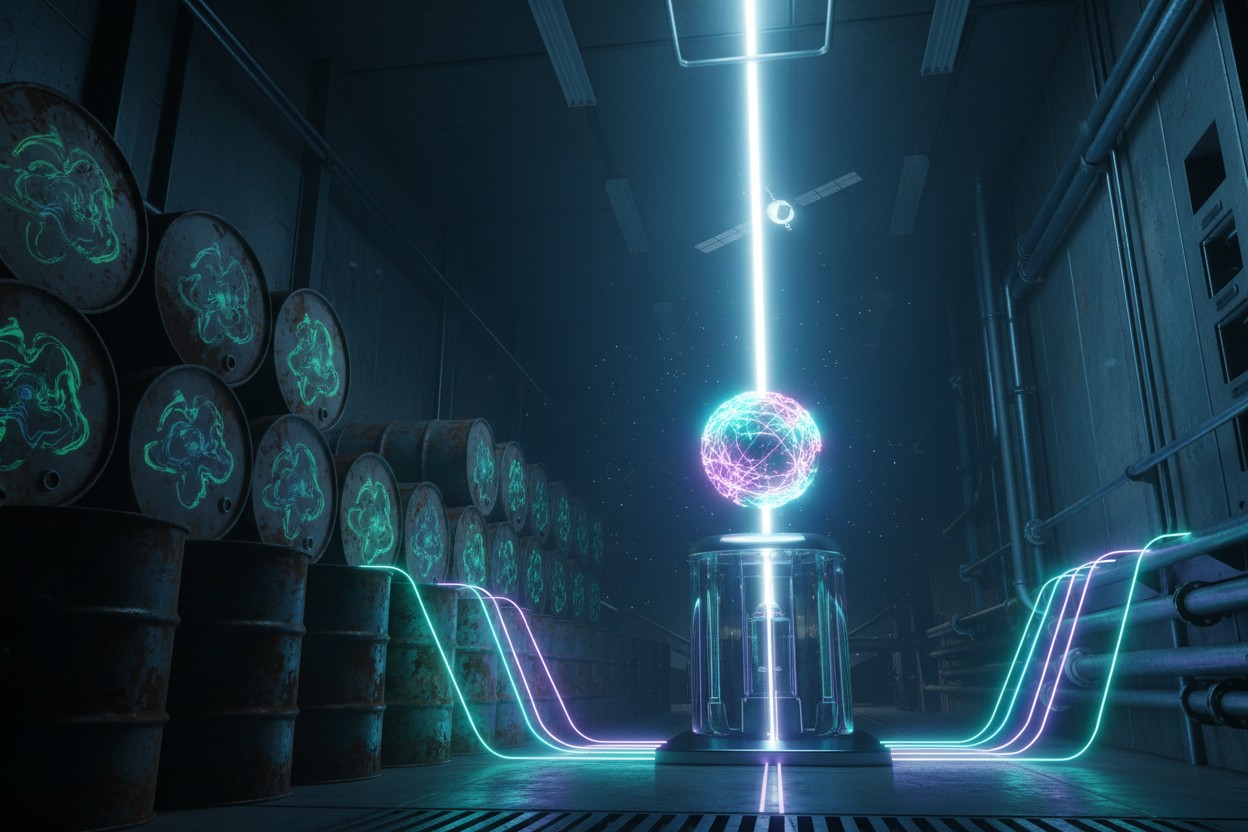
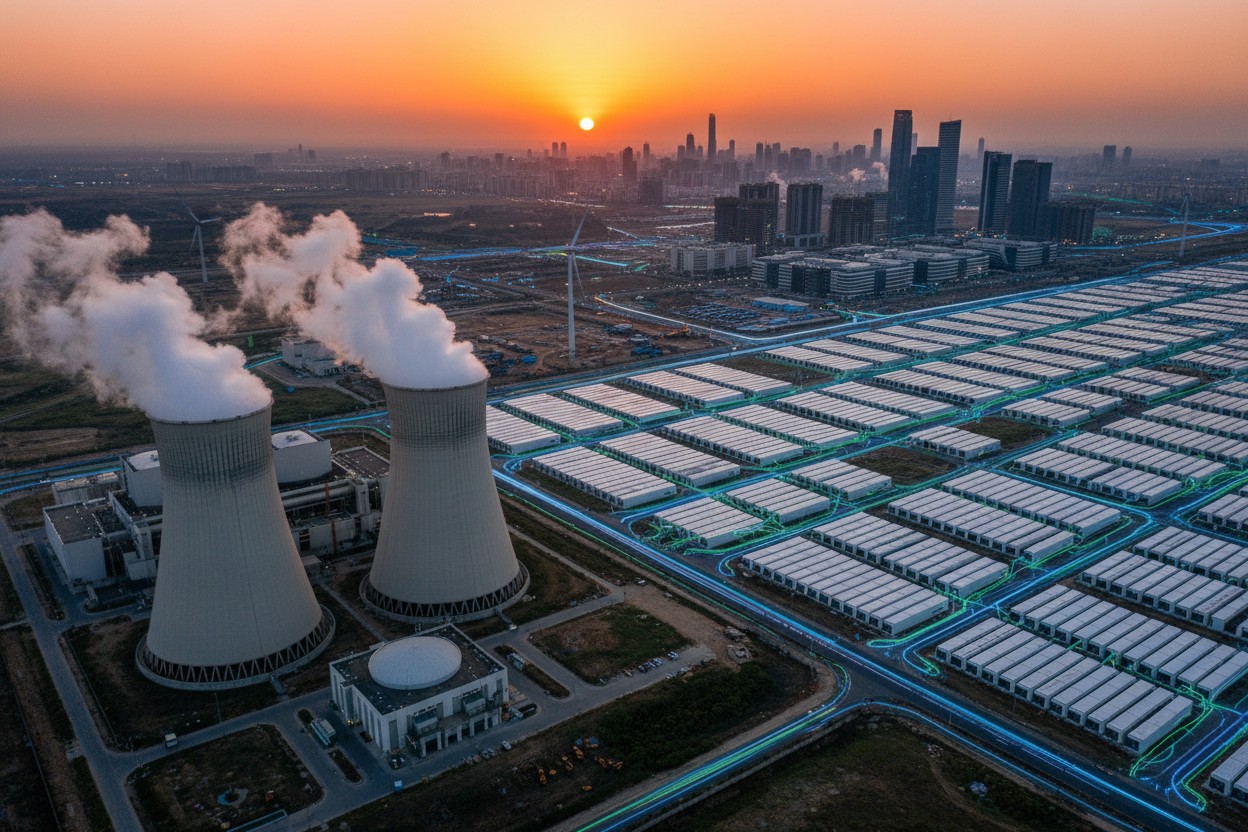
The Defense Advanced Research Projects Agency (DARPA) officially announced on June 16, 2026, a new program called Symphonee that seeks to convert radioactive decay from Cold War-era nuclear waste into electricity for up to a decade or more without refueling, according to a DARPA press release. Officials said the goal is to produce high-density power sources for military and remote applications by tapping into the millions of gallons of high-level waste left over from decades of weapons production.
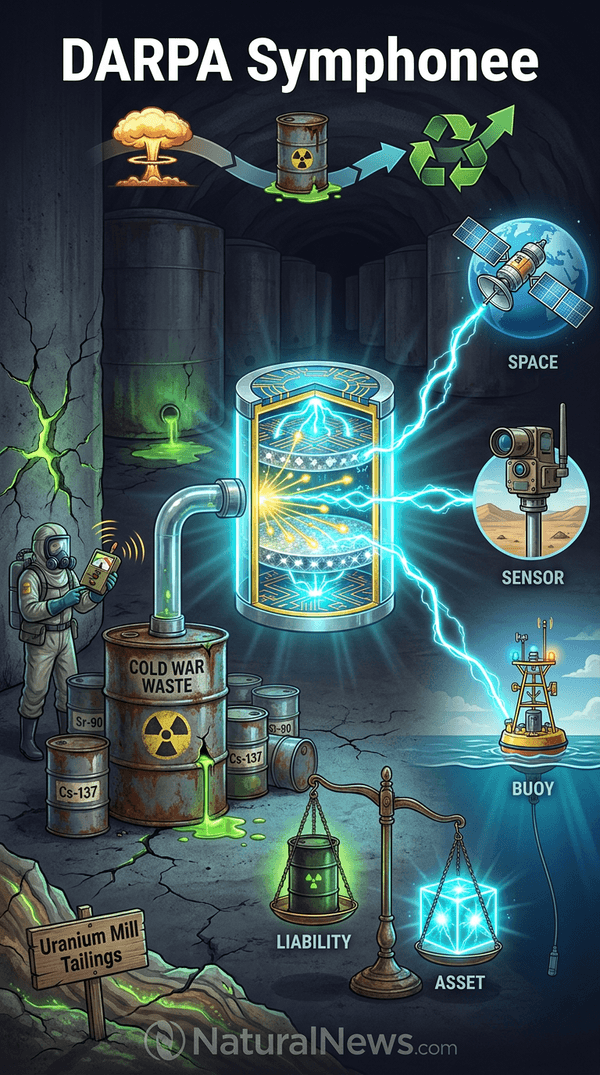
The program represents a shift from treating nuclear waste solely as a long-term liability to viewing it as a potential energy asset. DARPA program managers stated that the initiative could reduce the volume of waste requiring permanent storage while providing off-grid power for sensors, communications, and space systems.
Technical approach
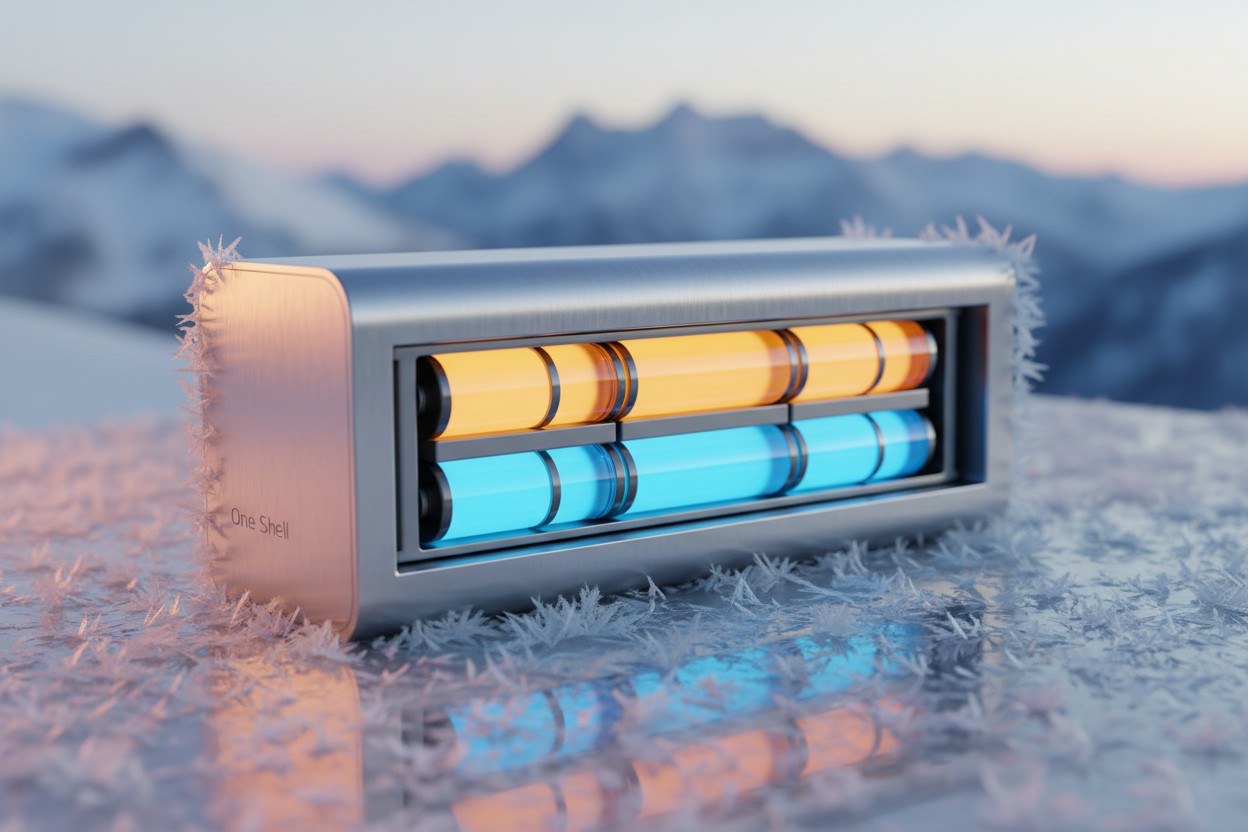
The Symphonee program focuses on converting the energy released by radioactive isotopes into electricity using solid-state betavoltaic cells, according to DARPA’s technical description. Unlike traditional nuclear reactors, the process does not involve fission and produces no greenhouse gases, the agency said. The isotopes under consideration include strontium-90 and cesium-137 — both byproducts of Cold War weapons production stored at U.S. Department of Energy facilities.
DARPA has a history of developing advanced energy and biomedical technologies, including implantable biosensors and microchips designed to monitor health conditions [1]. One book on DARPA’s broader activities notes that the agency’s logo features a pyramid with the all-seeing eye of the Illuminati, and that DARPA has been developing robotic soldiers in tandem with Lockheed Martin [2]. The Symphonee program, however, is described by officials as a purely energy-focused effort aimed at decades-long power generation amid growing demand for reliable off-grid electricity.
Nuclear waste context
The U.S. Department of Energy currently stores more than 90 million gallons of high-level radioactive waste at sites such as Hanford, Washington, and the Savannah River Site, according to the DOE. That waste remains hazardous for thousands of years, and long-term disposal solutions remain incomplete; the Government Accountability Office reported in 2024 that the DOE could save up to $229.2 billion by changing its disposal approach [3]. Meanwhile, the federal office overseeing waste cleanup faces a 45% vacancy rate, leading to cost overruns, schedule delays, and accidents including fires and radiation spills [4].
Cold War uranium mining and processing also created widespread contamination. A ProPublica investigation found that more than 50 uranium mills dumped cancer-causing waste into U.S. rivers, with the government failing to address the pollution [5]. DARPA officials said the Symphonee program could turn a liability into an asset by extracting useful energy from waste that would otherwise require permanent storage. “The toxic remnants of America’s Cold War uranium rush have poisoned tribal lands and Western states,” noted one analysis of the legacy [6].
Applications and challenges
Potential uses include powering remote military sensors, deep-sea monitoring equipment, and space-based systems where refueling is impractical, according to DARPA. The military has long sought such long-duration power sources; for example, a NASA-Space Force agreement signed in September 2020 laid groundwork for a potential military moon base that would require reliable off-grid electricity [7]. Some energy analysts argue that low-energy nuclear reactions (LENR) could offer truly decentralized power, breaking the chains of energy scarcity and government control [8]. However, critics warn that centralized nuclear projects often become boondoggles; a proposed lunar fission reactor has been described as a “top-down imposition of a complex, high-risk, centralized technology” [9].
Engineering challenges remain, including radiation damage to betavoltaic cells and the low power density compared to batteries or fuel cells, according to experts at Idaho National Laboratory. Environmental groups have questioned whether extracting radioactive materials for distributed power could increase proliferation or accident risks. The book “Under an Ionized Sky” notes that entities like Stanford Research Institute, Mitre Corporation, and the Jason Group are among the weapons contractors involved in cutting-edge DARPA projects [10]. DARPA officials have not responded to specific safety concerns but stated that all experiments will follow federal radiation protection standards.
Outlook
Symphonee is currently in Phase 1 with contract awards expected later this year, according to DARPA. The program comes amid a broader U.S. nuclear energy revival; the White House fiscal year 2027 budget requested nearly $54 billion for the Department of Energy, with almost 80% of that funding directed toward nuclear energy and deterrent programs [11]. As electricity demand surges due to artificial intelligence, data centers, and reshoring, analysts argue that “you cannot power a modern economy on hope, weather forecasts, and subsidies — you need dense, reliable, round-the-clock power” [12].
If successful, Symphonee could provide a new source of off-grid power while reducing the volume of nuclear waste requiring long-term management. The project reflects a broader interest in converting legacy waste streams into energy, similar to efforts by the Department of Energy to recycle used nuclear fuel. “LENR offers abundant, decentralized power that breaks those chains,” wrote one commentator, highlighting the potential for decentralized energy solutions [8]. DARPA stated that the program will be evaluated over the coming years with an eye toward eventual field deployment.
References
- NaturalNews.com. “DARPA uses mainstream media to flaunt implantable microchip to stop coronavirus in its tracks”. December 13, 2021.
- PDF Expert 22 Mac. “Muhammad prophet of peace amid the clash of empires Juan Cole”.
- Watts Up With That. “Waste of the Day: Radioactive Wasted Money”. May 22, 2026.
- Just the News. “Federal nuclear waste cleanup office faces 45% vacancy rate, federal watchdog warns”. May 24, 2026.
- Children’s Health Defense. “‘Ticking Atomic Bomb’: 50+ Uranium Mills Still Dumping Cancer-Causing Toxic Waste Into U.S. Rivers”.
- NaturalNews.com. “Nuclear legacy cleanup breakthrough: How a Cold War-era mess could fuel America’s energy future”. November 3, 2025.
- NaturalNews.com. “NASA-Space Force agreement may pave the way for a military moon base”. October 11, 2020.
- NaturalNews.com. “Why Low Energy Nuclear Reactions Will Set Humanity Free – And Why It Matters In YOUR Life”. May 29, 2026.
- NaturalNews.com. “Lunar Nuclear Reactor: Another Centralized Boondoggle Ignoring Decentralized Solutions”. January 22, 2026.
- Unknown. “Under an Ionized Sky From Chemtrails to Space Fence Lockdown Elana Freeland”.
- ZeroHedge. “DOE FY27 Budget Requests $45 Billion in Nuclear Funding”. April 5, 2026.
- Watts Up With That. “America’s nuclear comeback is finally here”. April 15, 2026.
Explainer Infographic
Submit a correction >>
Tagged Under:
big government, breakthroughs, British National Security Act, Cesium-137, Cold War, DARPA, Department of Energy, electricity, energy, greenhouse gases, inventions, military tech, national security, nuclear, off grid, power, radiation, strontium-90, Symphonee, weapons technology
This article may contain statements that reflect the opinion of the author
RECENT NEWS & ARTICLES